Faculty

The emergence of groundbreaking technologies and solutions is not just a trend; it's a vital response to both global and local challenges and creates new transformative opportunities. Are you ready to be at the forefront of these changes driving toward sustainable growth?
Stanford Online's professional and graduate courses are designed to empower you with the knowledge and skills needed to create meaningful impact. Whether you're deepening you expertise or exploring new dimensions of energy and sustainability, our courses support your growth and your ability to contribute to a more sustainable future.
- Earn a Stanford graduate certificate or certificate of completion
- Understand the energy landscape at both technical and economic levels.
- Apply systems thinking through case studies and real-world scenarios.
- Examine the economics, policy, and financial drivers of the clean energy transition.
- Gain insights to inform sustainability initiatives in any sector.
Popular Courses
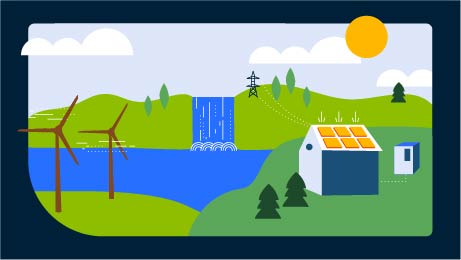
Clean, Renewable Energy & Storage for a Sustainable Future
Learn about the proven methods and techniques to develop and evaluate strategies for changing the infrastructure and policies at local, regional, and global levels to ensure a healthy and sustainable future.
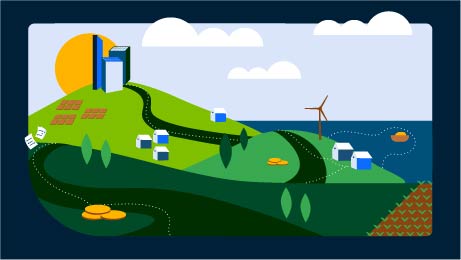
Strategies for Sustainability
Leverage the connection between employees, customers, natural resources, and communities to drive innovation, sound business strategies and good outcomes.
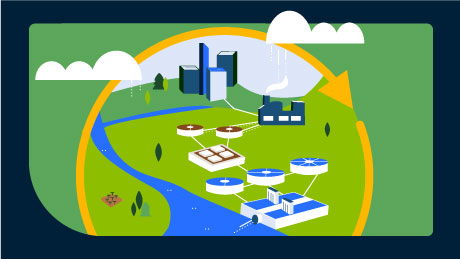
The Role of Water and Energy for Circular Economies
Discover innovative circular economy strategies, integrating digital technologies to address global water management challenges and empower informed decision-making in industries spanning from energy to manufacturing.
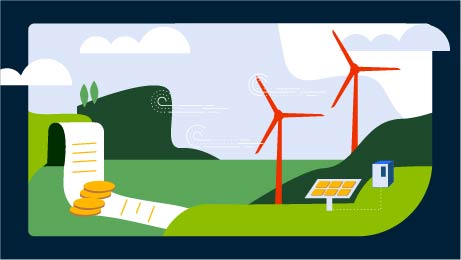
Foundations of the Hydrogen Economy
Designed for professionals, this course provides the tools to identify strategic opportunities, mitigate risks, and lead in the growing green economy.
Who Should Enroll

Experienced managers responsible for driving sustainability initiatives within large corporations.

Recent graduates and young professionals aiming to build a career in renewable energy technologies and sustainable practices.

Entrepreneurs and startup founders who are eager to create impactful solutions in cleantech and sustainability, establishing successful business foundations and fostering a sustainable future.

Government officials and policy analysts focused on developing and implementing policies that support growth and positive community impact.

Practicing engineers, scientists, and technologists looking to expand their expertise in cutting-edge cleantech solutions and emerging technologies.
Graduate or Professional Program - which is right for you?

Time Commitment

Achievement

Classmate Interactions

Cost
Graduate Program
90–120 hours per course
Earn up to 18 units of academic credit that may contribute to a certificate or a degree
Frequent collaboration with other students taking courses at the same time
$$$$
Professional Program
6–8 hours per course
Take individual courses or earn a Certificate of Completion after finishing five full courses
Potential to connect with other participants through private social media groups
$$
Interested in Artificial Intelligence? Check out these online certificate programs:

Lorem ipsum dolor
Venenatis laoreet lacus
Lorem ipsum dolor sit amet, consectetur adipiscing elit. Nullam varius mi vitae ornare dapibus. Fusce risus mauris, convallis in turpis id, venenatis laoreet lacus.

Lorem ipsum dolor
Venenatis laoreet lacus
Lorem ipsum dolor sit amet, consectetur adipiscing elit. Nullam varius mi vitae ornare dapibus. Fusce risus mauris, convallis in turpis id, venenatis laoreet lacus.

Lorem ipsum dolor
Venenatis laoreet lacus
Lorem ipsum dolor sit amet, consectetur adipiscing elit. Nullam varius mi vitae ornare dapibus. Fusce risus mauris, convallis in turpis id, venenatis laoreet lacus.
Lorem ipsum dolor
Venenatis laoreet lacus
Lorem ipsum dolor sit amet, consectetur adipiscing elit. Nullam varius mi vitae ornare dapibus. Fusce risus mauris, convallis in turpis id, venenatis laoreet lacus.
Lorem ipsum dolor
Venenatis laoreet lacus
Lorem ipsum dolor sit amet, consectetur adipiscing elit. Nullam varius mi vitae ornare dapibus. Fusce risus mauris, convallis in turpis id, venenatis laoreet lacus.
Lorem ipsum dolor
Venenatis laoreet lacus
Lorem ipsum dolor sit amet, consectetur adipiscing elit. Nullam varius mi vitae ornare dapibus. Fusce risus mauris, convallis in turpis id, venenatis laoreet lacus.

Faculty
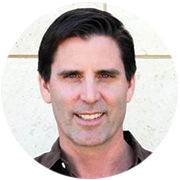
Mark Z. Jacobson
Professor of Civil and Environmental Engineering
Stanford University
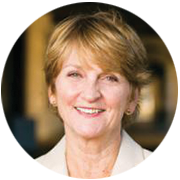
Pamela Matson
Professor in Environmental Studies and Senior Fellow at the Woods Institute
Stanford University
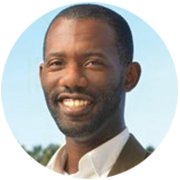
Will Tarpeh
Assistant Professor of Chemical Engineering
Stanford University

Simona Onori
Associate Professor of Energy Science Engineering and, by courtesy, of Electrical Engineering
Stanford University
FAQ
Take online courses in marketing innovation from Stanford University. Hone your ability to generate and implement new ideas and lead innovative teams and organizations. Taught by world-class Stanford faculty, these courses are engaging, interactive, and full of useful practices and strategies that you can apply immediately: